تماس با ما
Antique Silver Collection, as a buyer of old antique bronze and porcelain statues, buys all historical and classical decorative pieces after measuring the authenticity of the alloy, checking the manufacturer's seal and the thickness of the patina, at the highest expert value of the day and in the form of immediate settlement. Valuation of bronze sculptures is based on the lost wax casting technique, artist signature and age of the work, while in old porcelain vessels and figures, the transparency of the ceramic paste, hand painting under the glaze and natural body cracks determine the final price. Accurate evaluation of these works requires the separation of fake alloys such as spilter (zinc) from genuine heavy bronze and identification of industrial copies in the market.
How to distinguish a genuine bronze statue from fake zamak and spilter alloys
In the field evaluation of the antique market, the most widely used forgery technique is plating the sculptures made of zinc alloy and zamak with bronze color to be sold as antique pieces. Our practical experience in separating parts shows that volumetric weight is the first criterion; Genuine bronze has a high density, and handling the statue should create a sense of solid weight and solidity, while splinter is lighter and more fragile.
Another definitive criterion is to check non-visible parts such as under the base or wear lines of the part. In fake figurines, a very shallow scratch in the bottom of the base reveals metal with a dull silver or gray core, but in genuine bronze, the color of the core is golden to warm brown. In addition, the magnetic test is a fixed base of expertise; Bronze and old copper alloys do not attract magnets at all, and the presence of any magnetic attraction is a sign of severe impurity based on iron.
The natural patina of bronze is the result of decades of reaction of the material with air, moisture and hand fat, and it does not have a uniform color or print. Artificial workshop patinas are produced by rapid acid spraying, smell strongly of chemicals, and create a powdery, unstable layer that can be removed with rubbing alcohol or a rough cloth, if the old patina is part of the physical fabric of the sculpture.
Value determination factors in ancient Chinese statues and figurines
The pricing of old porcelain and china figurines is completely dependent on the engineering of the paste and the craft of the maker. High-quality porcelain sculptures were made by firing at a temperature above 1400 degrees Celsius; Therefore, in expert examination, even if the piece is decades old, its glaze is glassy, non-turbid, and does not have large microscopic factory bubbles.
In the expert process, the passage of concentrated light from the body is checked; High-quality bone china (Bone China) allows soft light to pass through the thin walls, even when stained. The second vital sign is hand-painted figures. In the works of the old original, the very fine ridge of the brush mark can be felt under the fingers, and the lines of the face or the folds of the clothes are drawn with miniature precision, while in the later examples and copies, the image is worked by silk printing, thermal transfer (Decal) or stencil printing, and under the microscope, the grain of the print is completely visible.
The bottom of the statue or the support ring (Foot rim) which entered the kiln and is usually unglazed, reveals the color of the raw pottery and the texture quality of the material. Any excessive roughness, blackness caused by clay impurity, or traces of industrial molding, will reduce the antique value of the piece.
Common errors in cleaning and maintenance that destroy the value of an antique statue
Many owners of old sculptures make the irreparable mistake of washing and polishing the piece when deciding to sell. Removing the green, brown, or olive patina from a bronze statue with acid polishes, mechanical polishes, or chemical polishes alone can reduce the artefact's appraisal value in the collector market by up to 60%. The professional buyer of bronze sculpture is looking for the authenticity of the passage of time, and the polished piece looks like a newly made vessel.
In the case of antique porcelain, the use of hot water, strong alkaline detergents, abrasive pads and prolonged soaking in water are disastrous. Hot water penetrates the hairline cracks of the glaze (Craquelure) and pulls deposits or fats deep into the clay body, creating eternal dark stains. Also, improper washing causes the loss of thin marginal gilding and the dissolution of red or blue cobalt oxide seals under the container. To prepare the sculpture for evaluation, it is enough to gently remove the dust with a very soft and dry hair brush.
Technical comparison and expert parameters of antique statues
To familiarize yourself with the technical indicators of your work before handing over, the data in the following table presents the quality and valuation criteria according to the structure of the material:
Evaluation Index | Antique Bronze Statue | Zinc Alloy and Spelter Statue | Ancient porcelain and porcelain statue |
Density and weight | Very heavy, stable, solid and non-slip | Lighter with thin and fragile wall | Depending on dimensions; Compact feel |
Undercoat color | Warm brassy brownish yellow | Dull gray, dull or lead silver | Dense milky white without mineral impurities |
Type of surface alteration | Continuous patina, attached to the metal texture | Falling, flaking and crusting Becoming | Very hairy and transparent cracks in the glaze |
Shaping method | Lost wax casting and hammering | double-sided machine mold casting | manual slurry casting and body shaping |
authenticity index | the presence of the engraver's signature, serial number, Caster's stamp | No signature or weak mold engraving stamps | Workshop handstamp or underglaze baked mark |
The stages of evaluating and selling old sculptures in the antique silver collection
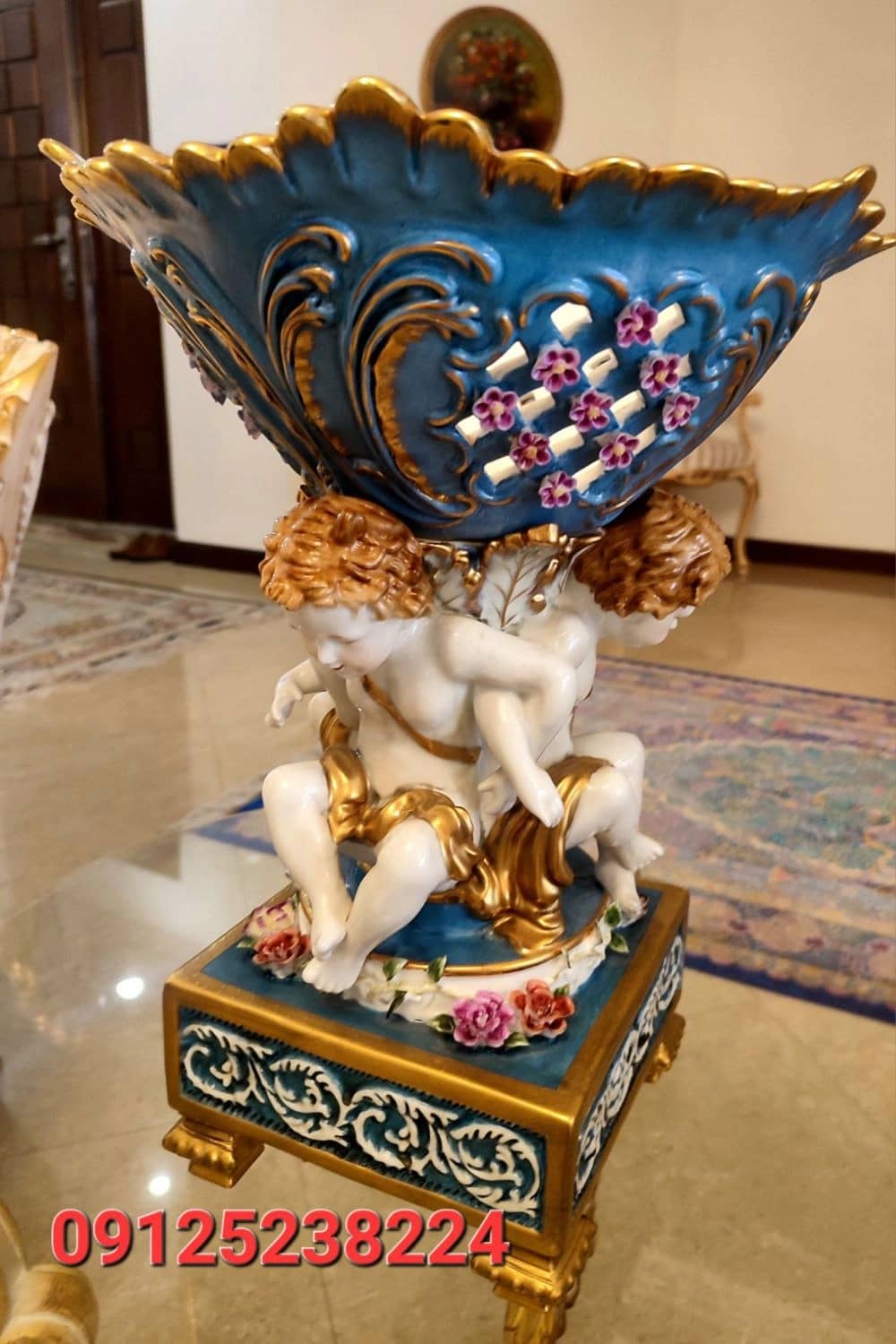
The process of handing over ancient statues does not require risky moving and carrying fragile items. The first step is to send high-quality and focused images of the entire body, the underside, the place of the seal, the artist's signature, and the details of the face and hands of the statue. By examining the external structure, our experts determine the initial estimate of the period of production and the school of making the work (such as French bronzes from the Baroque period, Art Deco style, Chinese from the Qajar period or the Qing dynasty).
In the next step, the antique silver expert will be present at the site for additional metallurgical and structural tests. These tests include reviewing the patina's authenticity under UV light to detect any adhesive wear, resin restorations, and hidden restorations on porcelain and bronze. In case of agreement, the final value is extracted based on the international reference rates and the demand of collectors inside the country, and the financial settlement is done in the form of an instant cash transfer before the delivery of the goods.
تماس با ما